Upskill your people.
Transform your business today.
We offer a scalable employee training solution. It lets you continuously upskill your people and expand their capabilities.


.webp)
.webp)
.svg.webp)





%20(1).webp)
We have your back
Over 500 clients trust our upskilling solution and we train learners in more than 120 countries. But most importantly, we don't stop until learners apply their new skills on the job, putting your organization’s goals within reach.
See the reasons why organisations choose Lepaya.
A scalable learning experience
As a learning and development training provider, we combine digital and in-person experiences with VR and AI.
The result is an effective blend that empowers your people and keeps them engaged from the first lesson to the last.
Discover more.webp)
How Lepaya does employee training?
.png)
We upskill and reskill people through personalized learning experiences, deepening their sense of belonging and alignment with your organization.

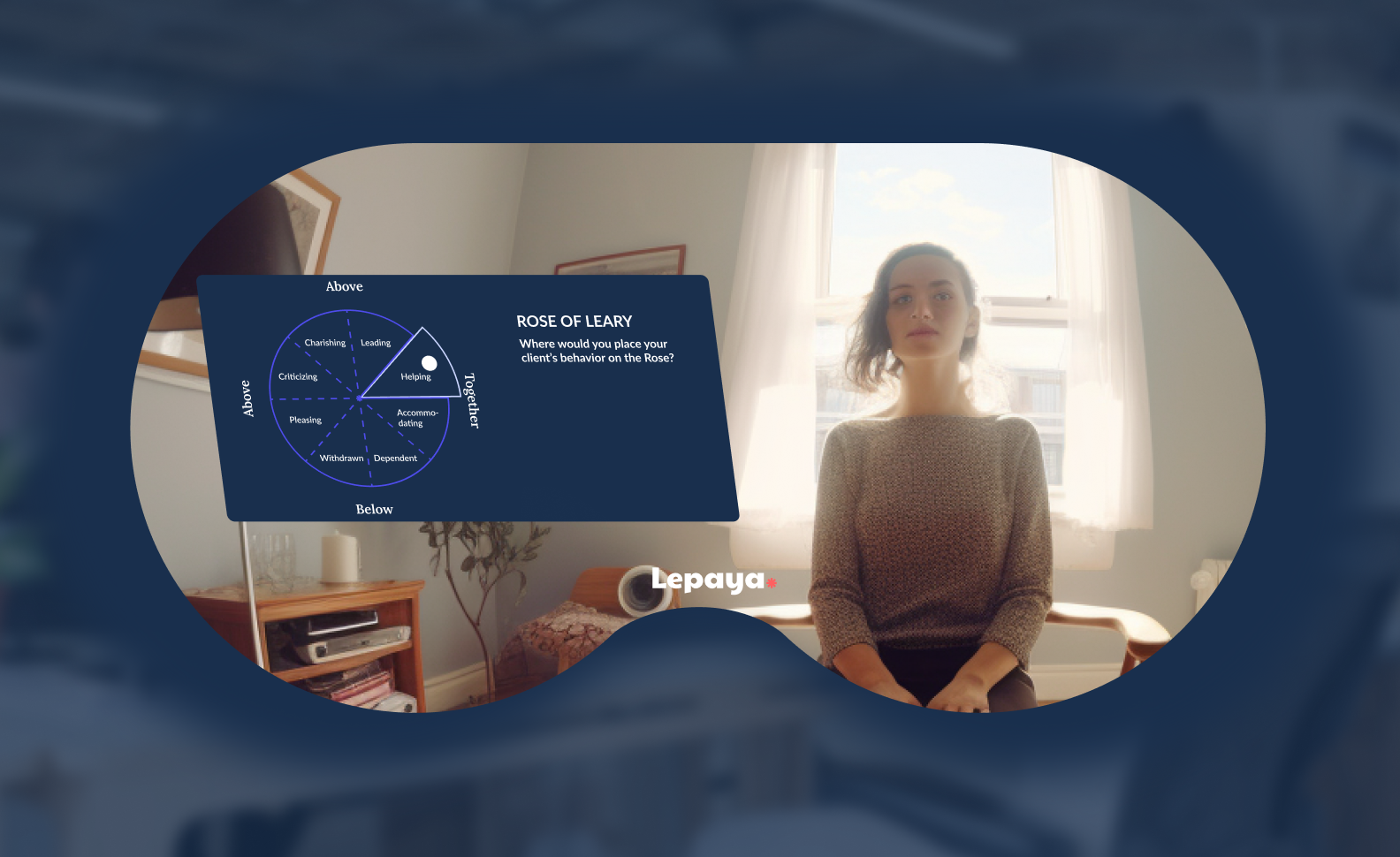
We use technology – like AI and virtual reality – to make our employee development sessions engaging and effective.
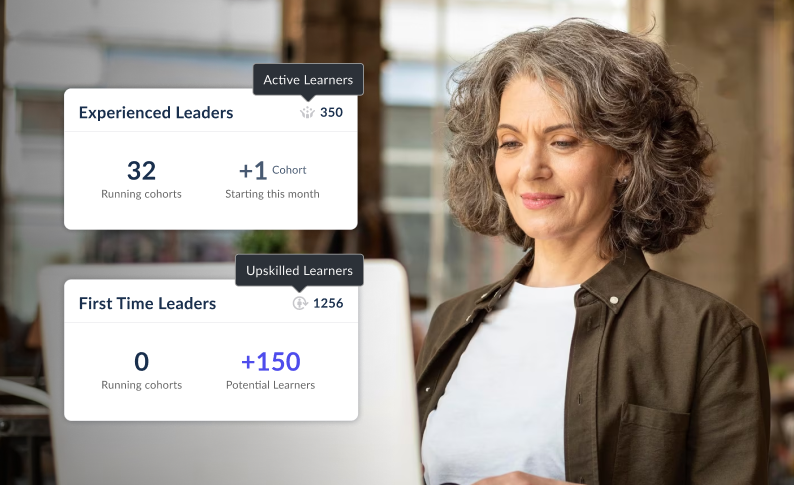
We take a customized approach to create a relevant and inspiring employee training solution that suits your needs.
.png)
We have learners continuously practice and apply new skills, focusing on a moment of truth when they can put their knowledge to use.
.png)
We make it all happen in the flow of work. Thanks to integrations with apps like Microsoft Teams, people can learn when it’s best for them.
A combination of soft skills and hard skills, Power Skills are future-proof competencies based on market needs.
Learn more
How do you know if learning has an impact?
The goal of any learning initiative is impact – one that your organization sees, feels and benefits from. But how do you make it happen? And how do you know it’s for real?
See how Lepaya makes an impact
Prioritize skills
The right skills make success possible and encompass everything from knowing how to ask for feedback to making data-informed decisions.
Discover more.webp)
Contextualized learning
When you learn with Lepaya, you get a customized experience that applies directly to everyday life.
Discover more.webp)
Drive impact
The numbers don’t lie when it comes to impact. We can show you the difference Lepaya’s learning and development makes for your organization.
Discover more.webp)

Effortless experience
Getting started with Lepaya is easy. We have a smooth onboarding process, a developer portal that supports integrations with programs like MS Teams and more.
Discover more




What our clients say

Pladis, an international snack and confectionery brand, partnered with Lepaya to help its people successfully handle change.

Picnic needed a learning path for its young professionals to develop into effective team leaders. These leaders need the right skills to drive results and boost collaboration to improve talent retention and happiness.
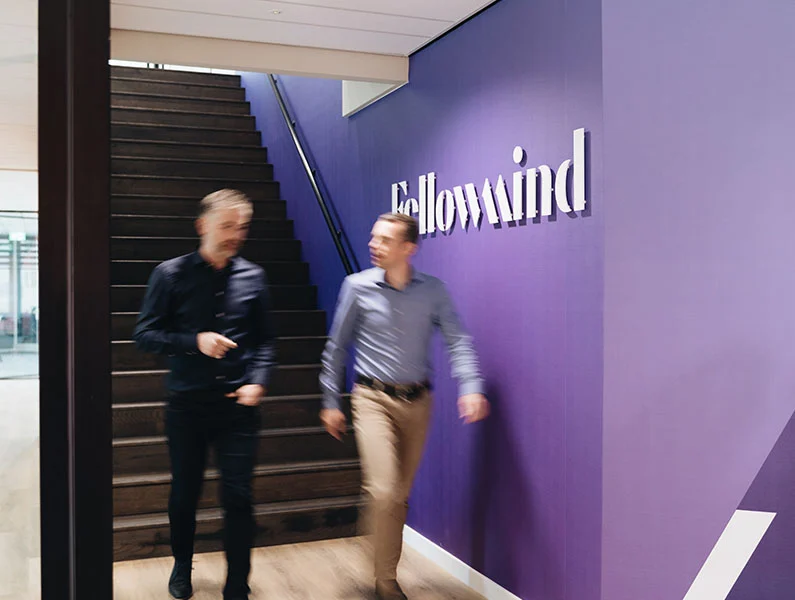
Fellowmind is transitioning from implementation partner to digital transformation specialist. Fellowmind chose Lepaya to upskill and reskill its talent to secure their role as trusted business partners for clients.
Learning on a new level
We create learning experiences that stand apart. Our combination of classroom learning, tech-focused experiences and customized content lets us connect with your people.
Discover more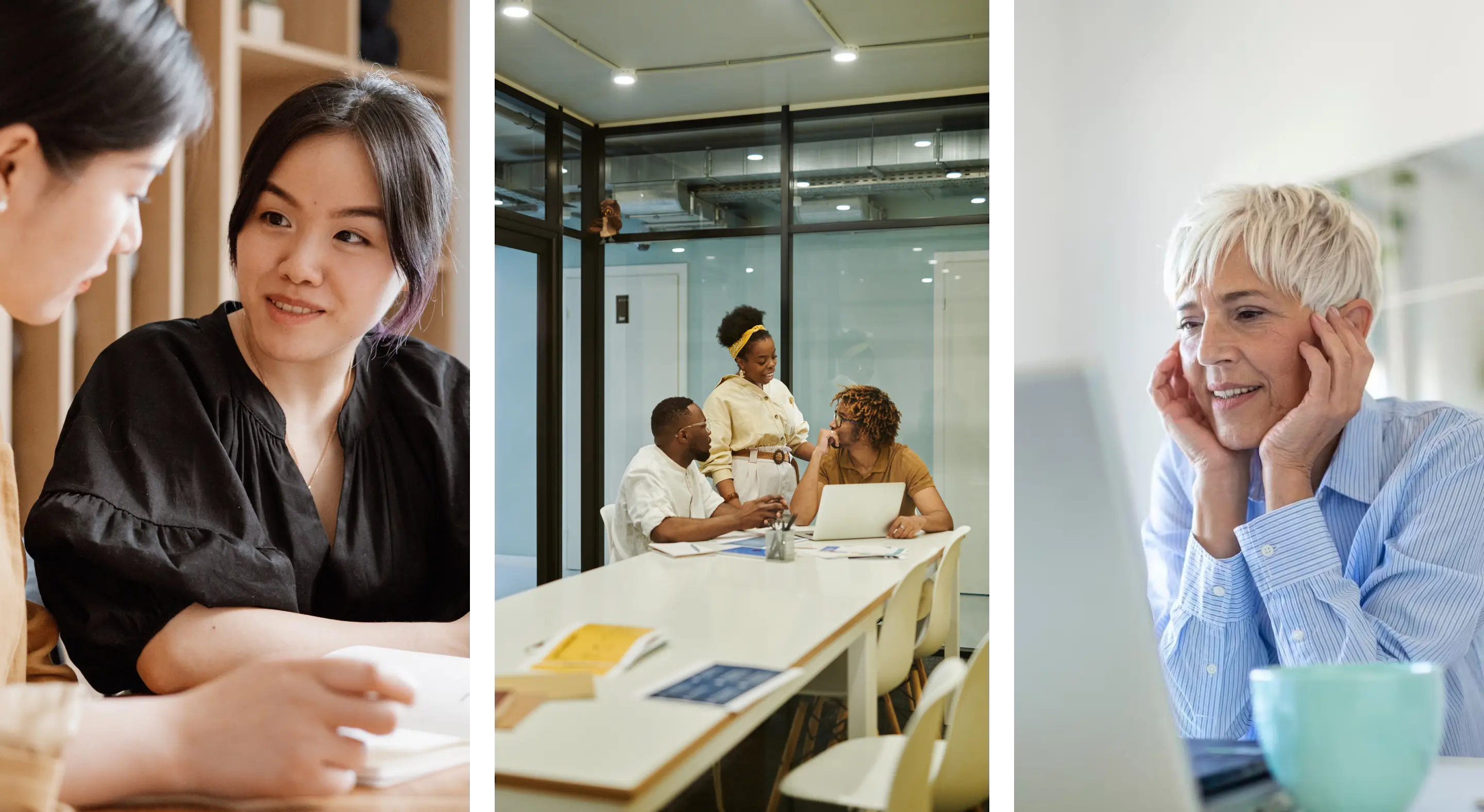






Discover the future of work
Download our exclusive feature article from The Times and learn why employee training is essential to long-term growth.
Read the article